


SeaHawk Prime by David Burke

SeaHawk Prime by David Burke
By: Kristin O’Neill

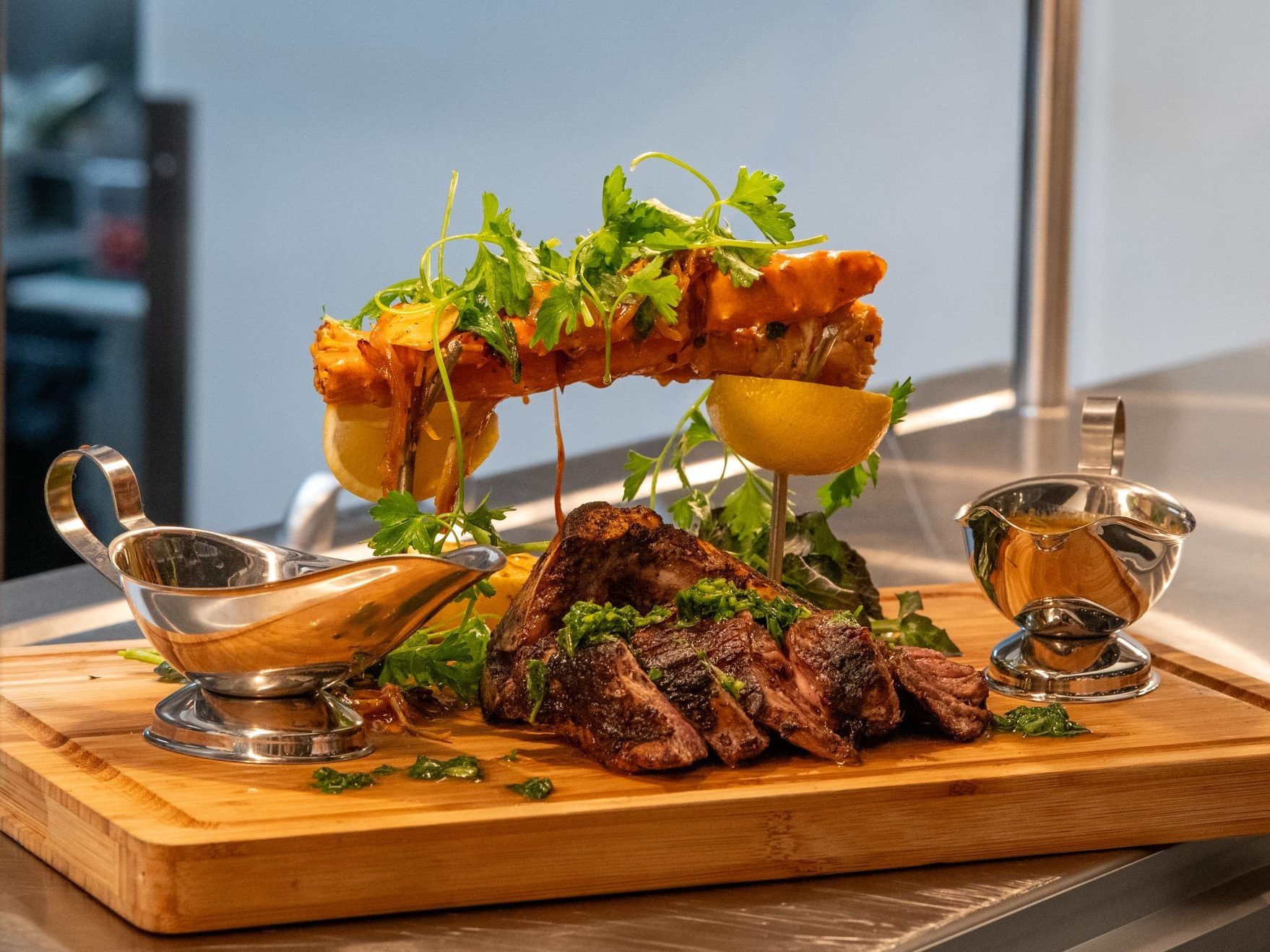 SeaHawk Prime by David Burke is poised to redefine waterfront dining in South Florida. Located within Nautilus 220, a luxury residential tower overlooking the Intracoastal Waterway, the restaurant marks award-winning Chef David Burke’s first Florida venture. Pairing a stunning marina-front setting with his signature boundary-pushing American cuisine, SeaHawk Prime delivers a dining experience as elevated as its surroundings. Chef David Burke is one of the most recognized and respected figures in modern American cuisine, known for his inventive and thoughtful approach to food. An internationally celebrated chef, restaurateur, and entrepreneur, Burke is the driving force behind David Burke Hospitality Management (DBHM), which owns, operates, licenses, and consults on restaurants, hotels, clubs, and culinary programs worldwide. Today, Burke and his team oversee the culinary direction of 18 restaurants, along with a historic event venue and a bakery. SeaHawk Prime joins Burke’s diverse restaurant portfolio, offering a menu that reflects both his culinary creativity and a deep appreciation for high-quality ingredients. The menu at SeaHawk Prime can best be described as a collection of “greatest hits” developed over decades, blending classic favorites with innovative touches. Diners will find a strong focus on seafood alongside prime cuts and sushi offerings. From expertly prepared fish dishes to bold, crowd pleasing flavors, the menu is designed to appeal broadly while remaining distinctive. Seasonality plays a central role, with fish selections evolving throughout the year to highlight the best available offerings. “Fish sells,” Burke notes, emphasizing the importance of creating seafood dishes that are visually appealing, flavorful, and memorable. The restaurant offers a wide variety of options, ensuring that seafood lovers and even those more inclined toward steak can find something irresistible. Seafood is a cornerstone of the SeaHawk Prime experience, and sourcing plays a critical role. Burke regularly works with Samuels Seafood Co., ordering a wide range of products including lobster, crab, branzino, salmon, grouper, scallops, shrimp, king crab, prawns, and caviar. He points out that seafood and shellfish can elevate other menu items as well. “When you garnish a steak with shrimp or scallops, or finish a pasta with lobster, the dish becomes more appealing,” he explains. At the same time, the team continues to expand offerings, including developing vegan dishes as the menu evolves. Burke expresses deep appreciation for the relationship with suppliers like Samuels, noting the extensive process behind every ingredient. “From the fisherman to the purveyor to delivery, there’s an incredible amount of work that goes into getting seafood onto a plate,” he says. “It’s caught or grown, harvested, selected, prepared, shipped and then it reaches the kitchen, where we take it to the next level. That entire process deserves recognition.” In a country where steak often dominates, seafood dishes must work harder to capture attention. According to Burke, success comes down to execution and presentation. “To compete, a seafood dish has to be perfectly cooked, thoughtfully garnished, and visually compelling,” he explains. “It has to jump off the table.” He also notes changing consumer habits. While older generations may not have grown up cooking seafood at home due to limited availability, younger diners are increasingly embracing it. This shift creates opportunities to introduce more guests to high-quality fish and shellfish. Beyond the menu, SeaHawk Prime offers a striking physical space that sets it apart. With double-height ceilings, marina views, and a bar featuring garage-style doors that open to the waterfront, the restaurant delivers an immediate “wow factor.” Yet, Burke emphasizes that the true standout element remains the food itself. The menu avoids being “cookie-cutter,” instead blending familiar dishes with creative twists that spark conversation without overwhelming diners. “The food should be interesting enough to start a conversation, but not dominate your experience,” Burke says. “It’s not intimidating it’s intriguing.” Lessons from a Lifetime in Hospitality Reflecting on his career, Burke credits every restaurant he’s worked in as a valuable experience, shaping his approach to creativity, execution, and continual improvement. “I’m always inspired to keep developing and refining dishes until they’re just right,” he says. For those entering the restaurant industry, his advice is simple: keep experimenting. “You have to keep tinkering,” he says. At the same time, he acknowledges the realities of the profession. Success in the culinary world requires a significant commitment, including long hours, nights, weekends, and holidays. “It’s not just a job it’s a lifestyle,” Burke notes. However, for those who are passionate, the rewards are equally meaningful. “No two days are the same. There are constant challenges and constant opportunities to grow. If you love it, commit to it fully and master your craft.”